Cristina Amyot,
President,
EnformHR
Carr Workplaces
What Today’s Workforce Wants Most
May 29th, 2026 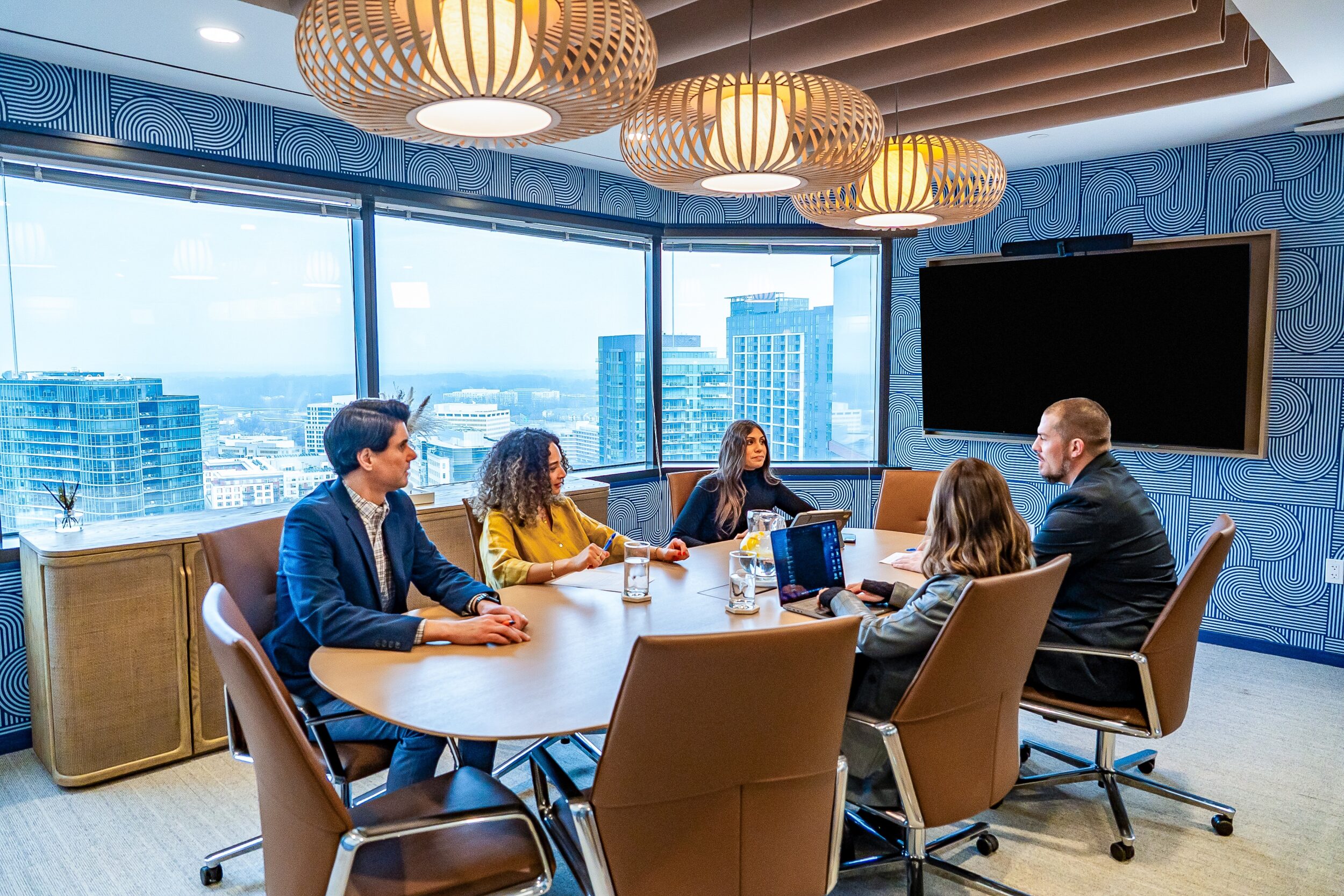
The modern workplace is evolving – and one theme stands out above all others: flexibility.
Across industries, professionals are moving away from rigid schedules, long commutes, and “always-on” work cultures in favor of greater autonomy, better work-life balance, and environments that support both productivity and well-being.
For many businesses, that means rethinking not only workplace policies but workplace space itself. Traditional office leases often lack the agility today’s companies need, while fully remote work doesn’t always provide the structure, collaboration opportunities, or professional environment employees value.
Flexible workspace solutions bridge that gap. Whether it’s a private office, coworking membership, meeting room access, or a hybrid workplace strategy, providers like Carr Workplaces help organizations give employees the freedom to work where they’re most productive while maintaining a professional presence and room to grow.
To better understand where the future of work is headed, we asked business leaders and workplace experts a simple question: “What trends are you seeing in how professionals want to work today?”
Workers Reject 24/7 Culture, Value Human Flexibility
As President of an HR consulting firm, I see a monumental shift toward professionals demanding to be “allowed to be human”–taking time for doctor visits or school plays without retribution or the need to make up every minute.
Modern workers are rejecting the 24/7 availability culture, instead gravitating toward flexible hybrid models and perks like Summer Fridays that protect their mental health.
I’ve found that professionals now prioritize transparent leadership and clear internal growth paths, wanting to be treated with the same level of appreciation as a new recruit.
To stay engaged, teams are moving away from stale progress reports in favor of interactive dialogues that foster genuine personal connection and professional development.

Structured Flexibility Leads; Deep Work, AI Orchestration Rise
Structured Flexibility is the largest trend for 2026. The “always on” hustle culture is giving way to a more focused approach on Deep Work and AI Orchestration.
People are not just looking for a work-from-home arrangement, but they want to have structured work days with “core hours” for collaboration and “quiet windows” for focus. They’re also changing their mindset from doing manual work to operating AI tools that do the work for them. Work is increasingly about more than just sitting at a desk; it’s about delivering the human touch and strategic insight that AI cannot match.
Post-Pandemic Professionals Prioritize Balance and Results
The pandemic years have transformed how professionals operate in their roles, and more workers view flexibility and a healthy work-life balance as a non-negotiable quality that an employer can possess.
Although many companies are looking to add a little more structure in the post-pandemic landscape, flexible working hours and the ability to take time to work away from the office have been recognized as an asset in protecting against burnout and ensuring the long-term loyalty of employees. In finding a happy balance between flexibility and structure, more businesses will thrive by retaining young talent for longer.
This new trend is a rejection of the hustle culture that had been thriving in the past decade, and both Millennials and Gen Z professionals are attempting to prioritize their mental well-being as a primary concern. This is helping to create an outcome over output mentality that seems to be supporting a results-driven work ethic.
Employees Value Autonomy, Outcomes, Education, and Transparency
Flexibility is another important trend that professionals now look for. Besides financial security, people today are interested in job satisfaction, personal development, autonomy, and having a positive impact on others. Professionals are no longer concerned only about the compensation package but also about their working hours, company culture, and the level of trust between colleagues.
Outcome-oriented work culture is another trend worth noting here. Professionals expect to be able to choose their own way of achieving the results set by their superiors, yet they still want to be provided with detailed instructions concerning goals and objectives.
Continuous education is another important aspect that employees consider nowadays. Professionals need companies to facilitate the process of acquiring new skills due to the influence of artificial intelligence (AI) and machine learning.
In turn, transparency and clear communication are the main expectations of employees. Leaders should be able to establish a connection with workers regardless of whether they work remotely or from the office.
Professionals Prefer Flexibility; Remote Options Boost Productivity
I am seeing a clear preference for flexible and remote work arrangements among professionals. Many want options like remote work, flexible hours, or compressed workweeks to reduce commute time and better balance personal and professional responsibilities.
Offering that flexibility signals trust, which improves morale and job satisfaction and supports retention. Employers who embrace these models also expand their talent pool and often find higher productivity from employees who control their schedules.