Oct 20th, 2026
Carr Workplaces
How Secure Office Space Protects Client Confidentiality
Aug 27th, 2026 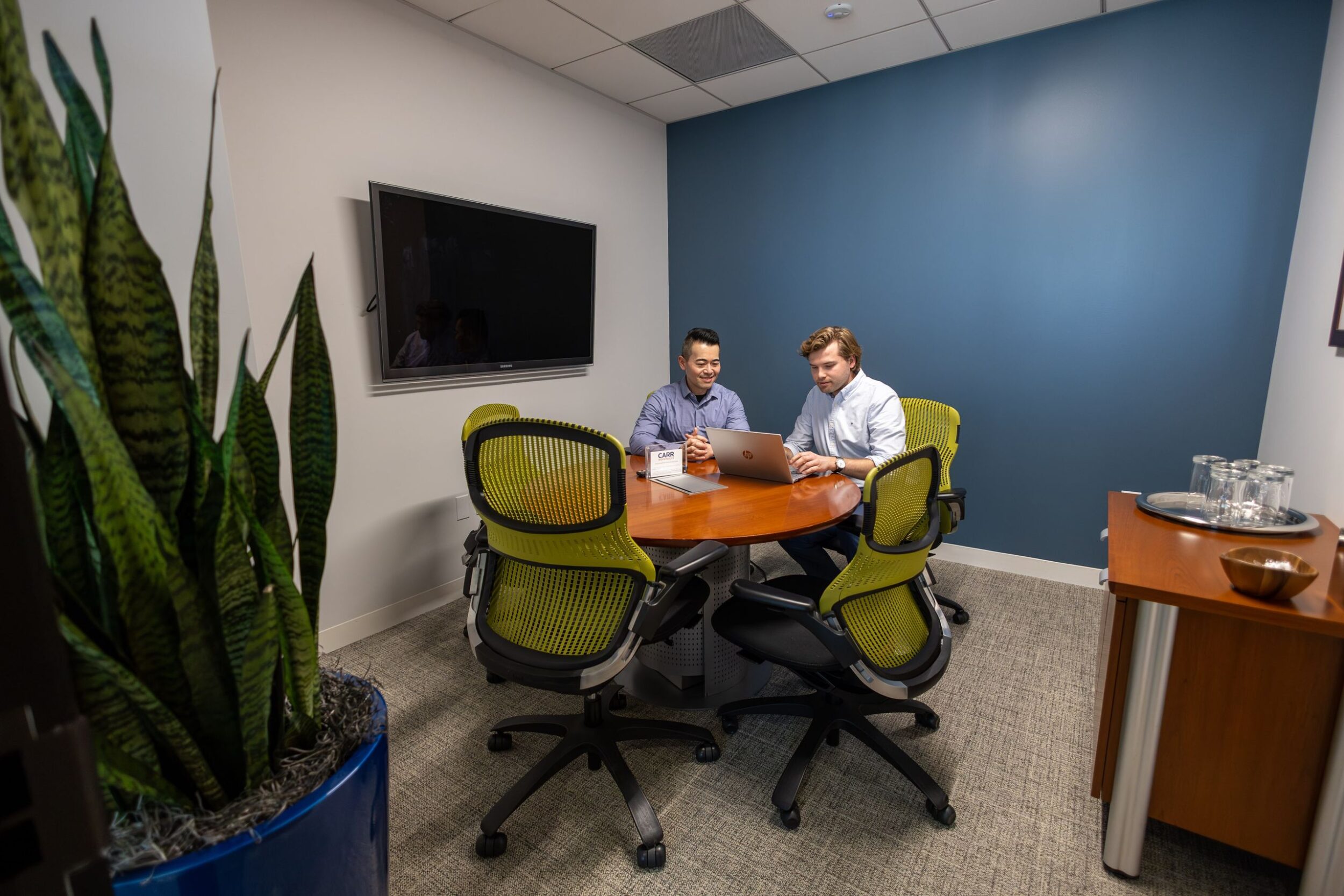
Quick answer: Secure office space protects client confidentiality through layers that work together: controlled physical access with keycards, entry logs, and lockable private offices; professional visitor management at a staffed reception; acoustic and visual privacy from soundproofed rooms, private phone booths, and clean-desk practice; encrypted, segmented networks with secure printing and IT support; and professional document handling through locked storage, secure mail, and shredding. Together they close off the overheard conversations, unattended files, and network gaps that expose sensitive client information.
For firms in law, finance, healthcare, and consulting, client confidentiality is a professional and often legal obligation. Attorney-client privilege, financial-data protection, and health-information rules all assume that sensitive conversations and records stay private. Your workspace either safeguards that or puts it at risk. A café, a home office, or a poorly run shared space can undermine confidentiality without anyone noticing, while a properly secured office protects it.
Why Workspace Security Matters for Confidentiality
Confidential information leaks in ordinary, physical ways as often as through sophisticated attacks: a call overheard from the next seat, a contract left in a shared printer, a document sitting on an unattended desk, a laptop on an open network. For client-facing professionals, one lapse can cost you a client’s trust, expose you to regulators, and follow your reputation for years. A secure office lowers that risk by controlling who gets in, what they can see and hear, how data travels, and how documents get handled and destroyed. A well-run flexible office often protects your clients better than your kitchen table or the café down the street.
The Four Layers of a Secure Office
01
Controlled Physical Access
Security starts at the door. A secure office limits entry to authorized people through keycard or mobile-credential access, entry logs, and the ability to grant or revoke access on the spot. You can tier that access, so private offices and meeting rooms stay restricted beyond the general common areas, and extend it safely to after-hours work. The people inside your space should be the people who belong there.
02
Professional Visitor Management
Shared and flexible offices see steady guest traffic, which makes managing visitors part of the security model. A staffed reception greets and registers guests, tells you when your client arrives, issues temporary access, and keeps visitors to designated areas so nobody wanders unescorted. That front-of-house layer does two jobs at once: your clients feel well received, and no unauthorized visitor reaches a sensitive area.
03
Private, Enclosed Offices and Meeting Rooms
Confidentiality depends on keeping conversations out of earshot and documents out of view. Enclosed, lockable private offices and soundproofed meeting rooms keep phone, video, and in-person discussions private, and dedicated phone booths give you somewhere discreet to take a sensitive call. Privileged discussions do not belong in an open coworking area, though the right flexible office pairs that collaborative space with private rooms you can book for the moments that require them.
04
Secure Networks and Digital Safeguards
Client data is only as safe as the network it travels across. Secure office space provides encrypted, password-protected Wi-Fi, ideally on segmented networks so one business cannot reach another, supported by firewalls and professional IT. You can strengthen that yourself with a VPN, multi-factor authentication, and secure printing. Together these guard sensitive information against the interception and unauthorized access that unsecured public networks invite.
Document and Data Handling: The Overlooked Layer
Physical documents stay a common weak point even where access control and network security hold up. A secure workspace supports good habits and supplies the infrastructure behind them:
- A clean-desk approach: keep confidential materials out of view and never leave them unattended, which matters more when you share a building with other firms.
- Secure mail and package handling: sensitive deliveries get received, logged, and stored properly rather than left sitting in the open.
- Locked storage: for files and devices that should not travel.
- Professional shredding and secure disposal: destroy physical and electronic data properly instead of dropping sensitive pages into a shared bin.
Confidentiality Needs by Profession
- Law firms protect privileged communications and case files, and often need secure space for document review and client meetings. Our guide to coworking versus office leases for law firms covers the trade-offs in more detail.
- Financial advisors and accountants handle account details and personal financial data that demand physical and digital protection at once.
- Healthcare and consulting professionals manage sensitive records and proprietary information where a breach carries regulatory and reputational weight.
The underlying need runs the same across all of them: a private, controlled, professionally managed environment where confidential work stays confidential. If your practice also hosts clients on site, our guide to choosing a desk or office for client-facing work covers the presentation side.
How Carr Workplaces Protects Client Confidentiality
Carr Workplaces has supported confidentiality-sensitive practices for more than two decades, in an environment built around privacy and professionalism at prestigious locations nationwide. Firms working from Carr get:
- Private, enclosed offices and suites: rooms for confidential conversations, with private phone rooms for discreet calls.
- Professional reception and visitor management: an on-site team that greets your clients and handles guests properly, reinforcing your security rather than standing in for it.
- Secure, high-speed Wi-Fi and IT support: client data stays protected on reliable infrastructure.
- A business center with printing, scanning, and shredding: plus secure mail and package handling for proper document and data management.
- Controlled, around-the-clock access: with discreet, trained on-site staff who understand what client work requires.
You get a workspace that protects your clients’ trust as carefully as you do, backed by real people at real locations.
Frequently Asked Questions
Is shared or coworking office space secure enough for confidential work?
Yes, when someone manages the space properly. Secure flexible offices combine controlled access, visitor management, private lockable offices, encrypted networks, and professional document handling, which often makes them safer than a home office or café. Use the private rooms for sensitive conversations rather than the open, shared areas.
How do private offices protect client confidentiality?
Private offices give you enclosed, lockable space where nobody overhears your phone, video, and in-person conversations, and where documents and devices stay out of public view. That prevents the accidental exposure open, shared seating cannot guard against.
Is the Wi-Fi in a flexible office secure?
A professionally run flexible office provides encrypted, password-protected Wi-Fi, ideally with segmented networks and IT support. If you handle sensitive data, add a VPN and multi-factor authentication on top of that.
What is a clean-desk policy and why does it matter?
A clean-desk practice means keeping confidential documents and information out of view and never leaving them unattended. It costs you nothing and it protects you, which counts for more in a shared workspace where other people pass through.
Can I hold confidential client meetings in a flexible office?
Yes. Bookable private offices and soundproofed meeting rooms give you a discreet, professional setting for confidential client meetings, with reception managing arrivals and keeping the space secure.
How are physical documents kept secure in an office space?
Through locked storage, clean-desk discipline, secure mail handling, and professional shredding for disposal. Some workspaces also offer dedicated rooms for sensitive tasks such as document review.
Protect Your Clients’ Confidentiality
Your workspace is part of the promise you make to every client. Explore Carr Workplaces’ private offices, meeting rooms, and day offices to give your practice a professional, confidential environment, with the privacy, secure infrastructure, and discreet on-site support that client work demands.